
Home Inspection Red Flags: Top Issues vs. Normal Findings
Home inspectors, you know your way around a home. You have seen countless issues, dangers, and strange DIYs. You’ve been around the block a few times, but your clients are sometimes left in the dark. Pages of notes, photos, and technical terms can make it hard to tell the difference between routine maintenance issues and problems that truly deserve concern.
Share this guide with your network to help break down the differences between common inspection findings versus major red flags and offer practical guidance on what to do next.
“Fail” vs. “Findings”: What a Home Inspection Report Really Means
Though they sometimes sound like it, home inspections are not pass/fail tests. They’re simply an evaluation of the home and its major systems at one moment in time. Inspectors document observed conditions, note deficiencies, and flag areas that may need repair, monitoring, or further evaluation.
The truth is, even well-maintained homes will have “findings,” or little things noted by an inspector that could use improvement. In many cases, those findings reflect normal wear and tear, deferred maintenance, or places where old homes don’t hold up to modern safety standards. The bottom line is, the inspection report is meant to inform the potential buyer — never to scare them away. And there are ways to prepare before it happens.
How Home Inspectors Classify Inspection Issues
To help make sense of inspection reports, we can group findings into broad categories. While inspectors may not label issues this way explicitly, most findings fall into one of four buckets:
Cosmetic Issues
Concerns related to appearance or finishes, such as chipped paint or worn flooring. These typically don’t affect safety or function.
Maintenance Items
Issues that result from normal wear, aging components, or deferred upkeep — like dirty HVAC filters or missing gutter extensions.
Safety Concerns
Conditions that could pose a risk to occupants, such as missing anti-tip brackets, improper electrical connections, or lack of required safety devices.
Structural or Big-Ticket Defects
Problems that affect a home’s integrity, major systems, or long-term performance, including foundation movement, roof leaks, or significant moisture intrusion.
Common “Simple Fix” Inspection Findings That Worry Buyers
Many of the most-reported inspection issues are (usually) relatively minor. They’re common, understandable, and often less expensive to address than buyers expect.
HVAC and Major Systems: When “Working” Isn’t the Same as “Healthy”
Sometimes, you’ll see HVAC findings on the report, even though the homeowner swears everything works. An HVAC system may be operational at the time of inspection, but still show signs of aging or deferred maintenance. That could mean dirty filters, outdated equipment, or components nearing the end of their typical service life — not red flags, just areas that might need a little attention.
Though your home inspector can’t whip out a crystal ball to predict exactly when a system will fail, they will document observable conditions and sometimes maintenance recommendations.
Plumbing and Bathrooms: Small Leaks, Slow Drains, and Odors
Minor plumbing issues show up on inspection reports all the time. Slow drains, loose fixtures, and localized moisture around toilets are some of the most common culprits.
A failed toilet wax ring, for example, can cause odors or minor leakage at the base of a toilet. While it sounds concerning (and, uh, gross), it’s usually a straightforward repair when caught early.
Gutters and Downspouts: Maintenance Issues with Outsized Impact
Clogged gutters, missing downspout extensions, and improper drainage discharge are typically classified as maintenance items, when caught early. Inspectors call them out and may emphasize their importance because poor drainage can contribute to major moisture problems over time if left unaddressed (think: mold!).
Not a big issue at first, but the longer these problems go on, the more damage they can cause, and the more expensive they become to fix.
Kitchen Safety Issues: Missing Anti-Tip Brackets and GFCIs
Kitchen safety, on the maintenance list? But that sounds so serious! Luckily, some of these issues are quick and easy fixes.
Modern safety standards require anti-tip brackets on ranges and GFCI outlet protection near sinks. And what do you know? In older homes, these components are often missing.
These features are necessary to ensure your kitchen stays nightmare-free. Afterall, it’s not on many people’s wishlist to be tackled by the oven when removing a heavy platter. Or to be shocked when plugging in a stand mixer next to the sink. Luckily, ovens built after 1991 are required to include an anti-tip bracket, and the National Electrical Code (NEC) requires GFCIs for most outlets serving countertop surfaces and those within six feet of a sink or water source.
Still, it’s crucial that these features work as intended, and that they’re there to begin with! If they aren’t, both are relatively inexpensive (around $20 for a bracket, and $150 for GFCI per outlet) and quick fixes.
Doors and Windows: Drafts, Seal Failures, and Early Water Intrusion
Another case of good ol’ wear-and-tear: weatherproofing issues. Ever enter a room and wonder where the draft is coming from? Or notice a little drip, drip, drip when it rains?
Inspectors frequently note deteriorated caulking, worn weatherstripping, or early signs of wood rot around doors and windows. While it’s pretty common for old homes to start losing some energy efficiency this way, it can also happen to new construction. Your home inspector isn’t just trying to help you save a few bucks on your energy bill, though. Weatherproofing issues can lead to much more expensive problems down the line, like mold or wood rot, which is costly to fix, and sometimes dangerous for your health.
Like some of the other items on this list, when caught and addressed early, these are maintenance-related items rather than major concerns.
Big-Ticket Red Flags That May Require Further Evaluation
Now for the big baddies. The items in this list don’t automatically mean you should walk away from your dream home, but they often warrant deeper consideration, and sometimes can offer you some negotiating power.
Drainage and Grading Problems Near the Foundation
Water pooling near the foundation or soil sloping toward the home can be a major issue that increases the risk of leaking, flooding, and foundation movement.
A home with serious pooling or slope issues may require regrading, drainage improvements, or consultation with a specialist. This is a good negotiation chip to use, and could potentially help lower the cost of the home you’re looking to buy.
Roofing Defects: Leaks, Missing Shingles, and Flashing Failures
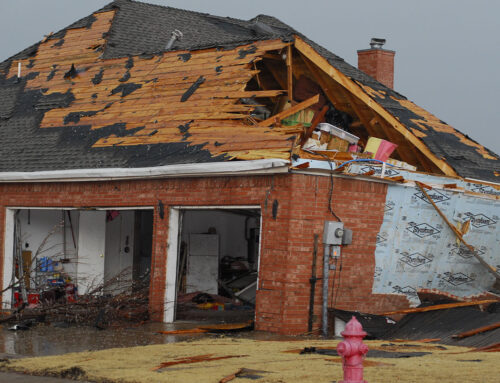
While roofing issues can vary in severity, usually this is a red flag issue because of how expensive many of these issues can be to fix, and how labor intensive. A few missing shingles may be a minor repair, while active leaks or widespread flashing failures can signal the need for more extensive work.
Inspectors document visible defects and evidence of moisture, but further evaluation by a roofing professional is often recommended for significant concerns.
Electrical Red Flags: Unsafe Panels, DIY Wiring, Reverse Polarity
Electrical findings tend to raise alarm for good reason. Improper wiring, overloaded panels, or reverse polarity at outlets can create safety hazards.
These issues typically require evaluation and repair by a licensed electrician and are often treated as negotiation points.
Moisture, Mold, and Water Damage Indicators
Inspectors look for visible signs of moisture, staining, and conditions conducive to mold growth. Not all stains indicate an active problem, but they do raise questions about past or present water intrusion.
Because inspections are non-invasive, inspectors may recommend further evaluation when moisture-related concerns are present.
What to Do When an Inspection Report Finds Problems
When issues appear in an inspection report, buyers generally have several options:
- Ask for repairs when safety issues or active defects are identified
- Request a credit to address repairs after closing
- Bring in a specialist for further evaluation of complex concerns
- Reconsider the purchase if issues exceed budget or risk tolerance
Home inspectors provide information. Agents can help with negotiations. Buyers and sellers can decide how to move forward based on the help they get from their real estate pros.
Inspector, You Are the Protective Shield
And a shield taking hits needs to keep itself strong. Clear communication, sound judgment, and a strong foundation of knowledge make that possible. With the right training and specialized knowledge to polish up your armor, you can confidently navigate even the most complex inspection findings.
About the Author: Lizzie DesRosiers